+212 710 029 690
info@deserttourmarrakech.com
TripAdvisor Traveler's Choice
Are Moroccan people Black?
It sounds like a simple question, but the answer depends on what someone means by Black, race, or identity.
Morocco is located in North Africa, at the crossroads of Africa, the Middle East, and Europe. For thousands of years, people have moved through this land, traded across it, settled in it, and built families together. That long history explains why Moroccans today look different from one another and describe themselves in different ways.
This article explains the question clearly and respectfully. It looks at Morocco’s main cultural roots, how race is understood differently around the world, and why Moroccan identity cannot be reduced to one label.
Some Moroccan people are Black, many are not, and Morocco as a whole is ethnically diverse.
The most important point to understand is this:
Moroccan is a nationality, not a race.
Being Moroccan means someone belongs to Morocco by citizenship, culture, or heritage. It does not describe skin color or ancestry by itself.
To avoid confusion, it helps to separate a few ideas people often mix together:
In the United States, the word “Black” usually refers to people with Sub-Saharan African ancestry, shaped by American history and census categories. In Morocco, people do not usually think in those same racial terms in everyday life.
Many Moroccans simply say:
“I’m Moroccan.”
Why This Question Is Tricky: Nationality vs Race
Morocco’s geography explains a lot.
The country borders the Sahara Desert, the Atlantic Ocean, and the Mediterranean Sea. For centuries, Morocco connected:
Because of this, Morocco has always been a place of mixing and movement.
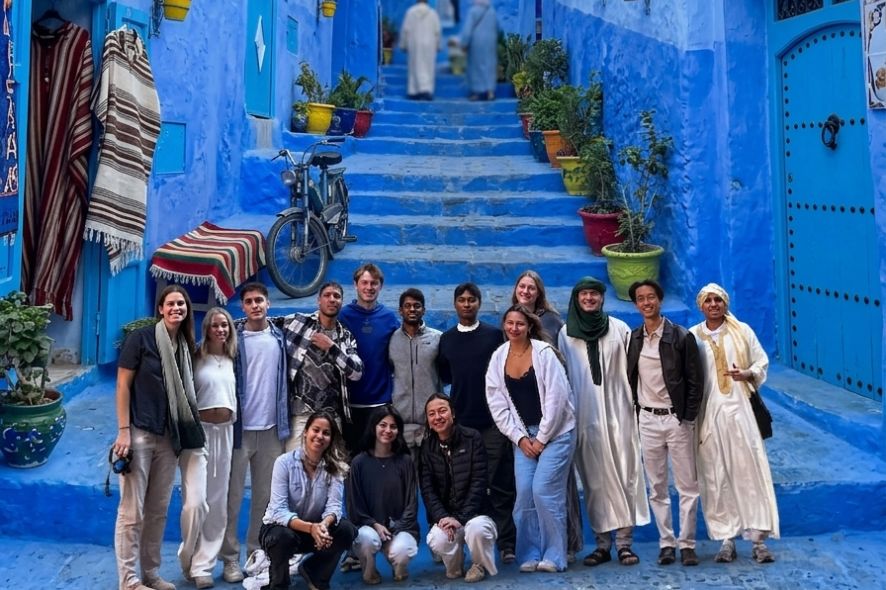
Two Moroccan neighbors might look very different:
Different appearances. Different family stories.
Same nationality. Both fully Moroccan.
What Does “Black” Mean in Morocco vs the United States?
In the U.S., “Black” is often used as a broad racial category.
In Morocco, identity is more commonly described through:
You may hear people identify as:
There is no single correct label for everyone. The most respectful rule is simple:
Let people describe themselves.
Also, a common mistake made by outsiders is assuming all Africans are Black. Africa is a continent with enormous diversity, and North Africa has its own Indigenous and historical roots.
Morocco’s People and Roots: A Simple Overview
You can hear Morocco’s diversity just by listening to the languages spoken every day:
This mix reflects Morocco’s long history of cultural blending.
Amazigh (Berber) and Arab Identity in Morocco
The Amazigh are the Indigenous peoples of North Africa.
The word “Berber” is common in English, but many people prefer Amazigh, which means “free people.”
Arab influence came over centuries through:
Today, many Moroccans identify as:
Skin color does not define these identities. Amazigh and Arab Moroccans can be light-skinned, dark-skinned, or anywhere in between.
The Amazigh are the Indigenous peoples of North Africa, with deep roots across the region. “Berber” is a common term in English, but many people prefer “Amazigh.” Arab influence in Morocco grew over centuries through language, religion, and political history, and today many Moroccans identify as Arab, Amazigh, or both.
It’s also normal for identity to be layered. Someone might say, “I’m Amazigh,” because of language and family heritage, but also feel connected to Arab culture through religion or daily life. Another person may identify as Arab but have Amazigh grandparents.
Skin tone does not map neatly onto these labels. Amazigh-identifying Moroccans can be light-skinned, medium-toned, or dark-skinned. The same is true for Arab-identifying Moroccans. Appearance varies by region, ancestry, and family mixing, not by a single category.
For a general, easy-to-read summary of commonly mentioned ethnic groups in Morocco, WorldAtlas on the ethnic groups in Morocco is a useful starting point (just remember that real life is always more mixed than a short list).
There are Moroccans with Sub-Saharan African ancestry, including people whose families have long lived in Morocco, especially in southern regions and along historic routes that connected Morocco to the Sahara and beyond. Black Moroccans are not “new” to Morocco. They are part of Morocco’s story, culture, and identity.
One community often mentioned in these conversations is the Gnawa, known for spiritual traditions and musical heritage that has influenced Moroccan culture more broadly. Gnawa identity is complex and personal, shaped by history, region, and community. If you want a thoughtful reflection on how Gnawa identity can be described and felt, this essay from Souffles Monde is worth your time: Neither African, nor Arab, or Half-African, Half-Arab?
It’s also important to say plainly that slavery and forced movement existed in the region’s past, including across North Africa and Saharan trade routes. People today may still feel the social impact of that history, which can affect how identity is discussed and why some terms carry weight.
In 2026, identity is often shaped by where someone lives, too. A Moroccan person in Casablanca may describe themselves differently than a Moroccan person in Paris or New York. In diaspora communities, people sometimes adopt local race categories to be understood by schools, employers, or government forms. That doesn’t mean those labels match how they’d describe themselves back home.
The most respectful approach is also the simplest: let people tell you who they are. Don’t treat skin tone like a shortcut to someone’s background. Morocco has families with Amazigh roots, Arab roots, Saharan roots, Sub-Saharan roots, and every mix you can imagine.
Here are a few practical do’s and don’ts that keep conversations grounded:
Do use “Moroccan” when you mean nationality, and be specific (Amazigh, Arab, Black Moroccan) only when it’s relevant. Don’t assume someone is Black or not Black based only on appearance. Do ask a respectful question if identity matters in the context, and accept the answer without debate. Don’t treat Africa like one race, Morocco’s diversity makes that idea fall apart fast.
Black Moroccans and Sub-Saharan African Roots
Yes, there are Black Moroccans.
Some Moroccans have Sub-Saharan African ancestry, especially in:
These communities are not new to Morocco. They are part of Moroccan history and culture.
One well-known group is the Gnawa, famous for their spiritual music and traditions. Gnawa identity is deeply Moroccan and shaped by history, region, and community.
It’s also important to acknowledge that slavery and forced movement existed in North Africa’s past. That history still affects how identity is discussed today and why certain terms carry emotional weight.
How Moroccans Identify Today (and How to Be Respectful)
A Moroccan living in Marrakech may describe themselves differently than a Moroccan living in France, Spain, or the U.S. In diaspora communities, people sometimes adopt local race categories for practical reasons.
That doesn’t mean those labels fully reflect how they see themselves.
Simple Do’s and Don’ts
Do
Don’t
Experience Morocco’s Diversity Firsthand
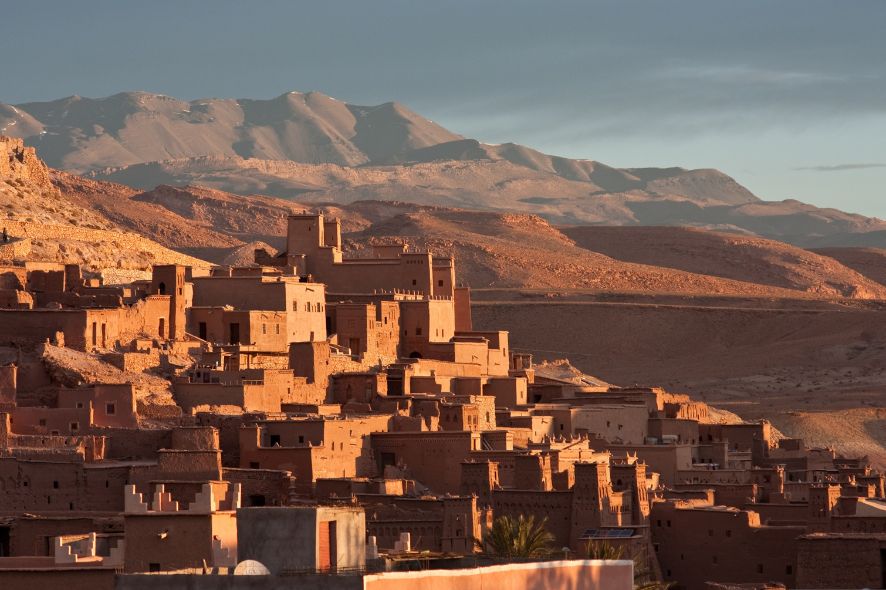
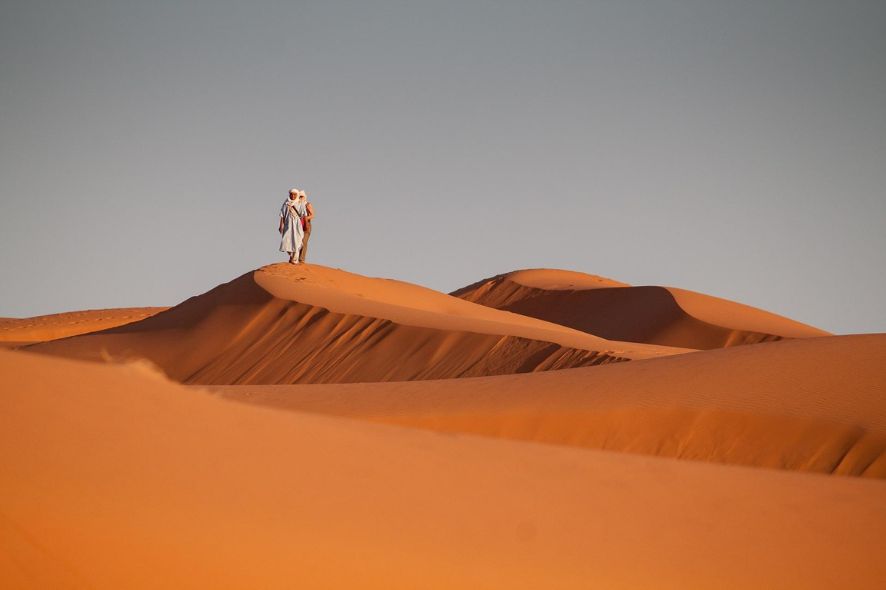
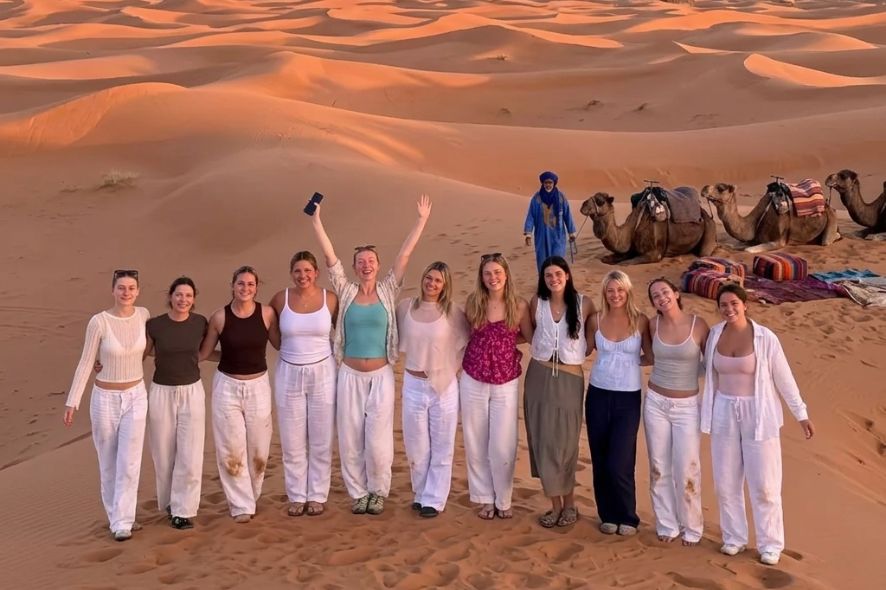
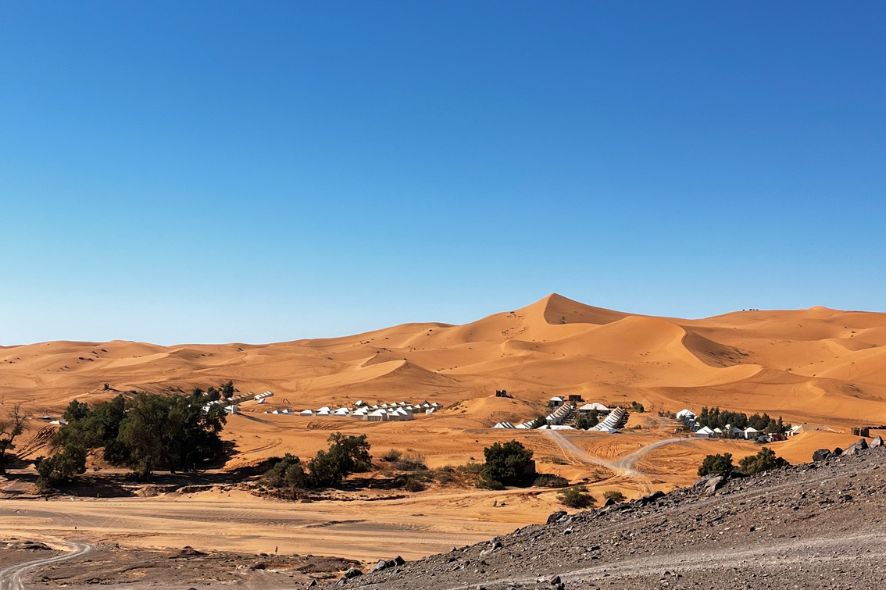
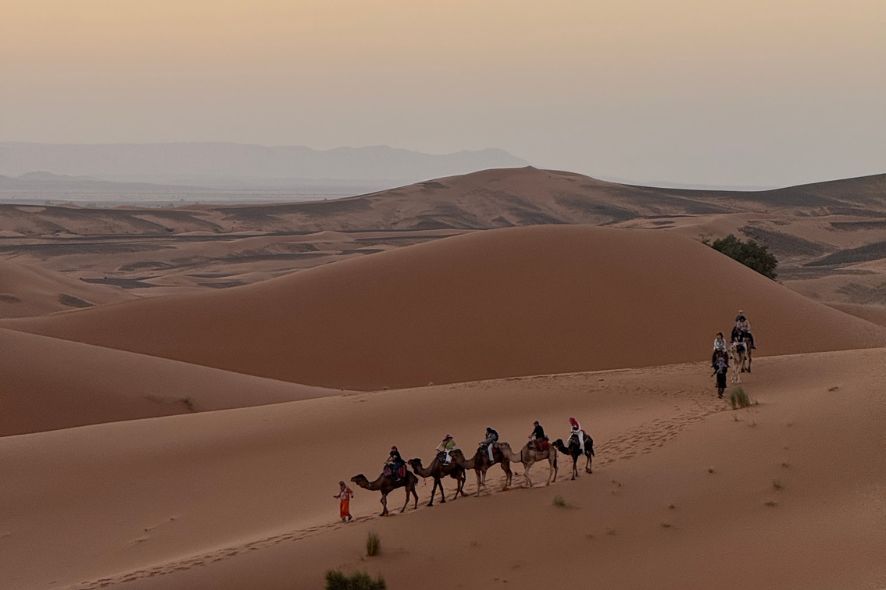
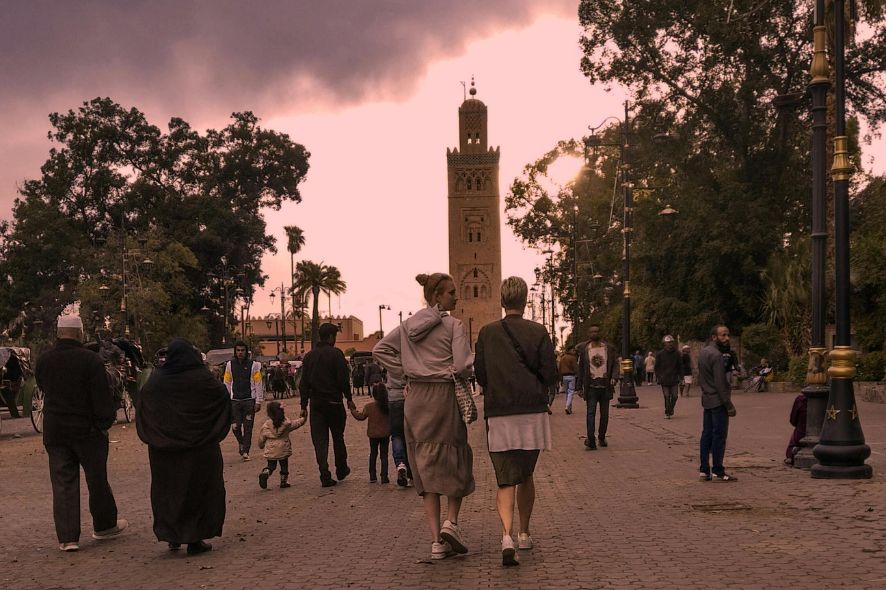
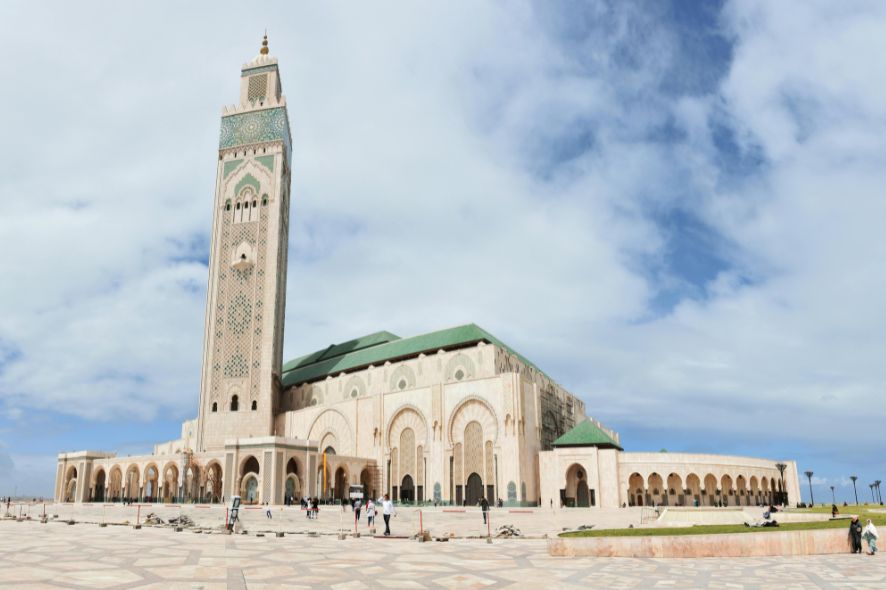
Understanding Morocco’s diversity becomes much clearer when you travel through the country, meet local people, and explore different regions.
At Desert Tour Marrakech, our guests often tell us that visiting the desert, mountains, and historic cities helped them understand Morocco beyond stereotypes.
We especially recommend:
These tours show Morocco as it truly is: diverse, welcoming, and deeply human.
Conclusion: Are Moroccan People Black?
Some are. Some aren’t.
Morocco is a diverse country where nationality does not equal race, and where identity is shaped by history, language, region, and family.