A luxury trip in Morocco should feel like exhaling. You still get the color and buzz of the souks, the call to prayer at dusk, and mint tea on a rooftop, but without the stress that can creep into a first visit.
Most first-timers choose a classic route: Marrakech, Fez, and the Sahara, with an optional add-on like Chefchaouen for photos or Casablanca for a big-city start. In February 2026, that mix is still the most requested shape for high-end itineraries because it balances culture, scenery, and comfort.
This guide breaks down what Morocco luxury tour packages usually include, what they cost in 2026, and how to pick the right travel style (fully private or small-group) so you don’t pay extra for “luxury” that doesn’t change your day.
Luxury in Morocco isn’t only thread count and marble bathrooms. It’s time saved, friction removed, and having the right person beside you at the right moment. Think of it like moving through a busy market with someone quietly clearing a path, not by pushing, but by knowing the rhythm.
A strong luxury package also protects your energy. Morocco can be intense in the best way, sounds, scents, and nonstop detail. The upgrade is getting those highlights in a way that feels calm and personal, with space to pause when a doorway glows at sunset or a spice stall pulls you in.
Another real marker of luxury is access. Not “VIP” labels, but curated experiences that match your interests, a guide who can explain the story behind a tile pattern, a driver who knows the scenic road over the fastest one, and a planner who paces your days so you’re not arriving exhausted.
To see how different operators describe luxury levels and inclusions, it helps to compare a few curated collections like Luxury Morocco trips and routes and tailor-made Morocco journeys, then map those ideas to what you actually want on the ground.
The biggest “feel” difference is transport. Many Morocco luxury tour packages include airport pickup, door-to-door transfers, and a private driver who stays with you across the country. That means no guessing where to meet a bus, no dragging bags through confusing streets, and no waiting while 30 people load luggage.
Private touring also buys you flexibility. You can start later after a long dinner, stop for photos in the High Atlas, take a clean restroom break when you want, and choose scenic routes that make crossing days part of the trip, not a penalty.
In old medinas, privacy matters too. A private guide can walk at your pace, steer you away from the most crowded lanes, and help you shop without pressure. It’s a calmer experience than moving as a large group, especially in Fez and Marrakech where streets narrow fast.
High-end lodging in Morocco usually means one of three styles: a boutique riad inside the medina, a resort-style property outside the city, or a Sahara camp that feels like a hotel room under the stars. On higher tiers, desert camps often include real beds and private bathrooms, which changes everything after a windy day on the dunes.
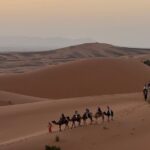
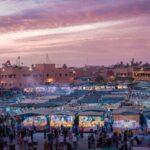
Signature experiences tend to be simple, but done well: a guided medina walk in Fez, a hands-on cooking class, a rooftop dinner with the city lights below, a camel ride at sunset, and stargazing where the sky looks painted on.
The real upgrade is guide quality. A great guide turns a beautiful door into a story about artisanship, trade routes, and family life today. That’s why curated, well-reviewed luxury listings can be useful for setting expectations, like the range shown on Luxury Morocco tours comparisons.
In 2026, the most common luxury routes still follow an “imperial cities plus Sahara” arc. The reasons are practical: Marrakech and Fez deliver the strongest culture hit, the desert gives you space and silence, and the road between them passes through Morocco’s best scenery.
Itinerary planning comes down to pacing. Morocco looks small on a map, but drive times add up, and the best trips build in recovery. Two nights in the Sahara region often works better than one because you can arrive before dark, enjoy sunset and dinner, then wake for sunrise without rushing.
Chefchaouen is also showing up more often as a luxury add-on because it’s photogenic and slow in the morning, a nice contrast after the sensory overload of big medinas. Casablanca or Rabat tends to be added for travelers who want a polished arrival, international flight connections, or key landmarks.
This is the go-to first-time plan because it feels like Morocco in one trip.
A practical flow looks like: Marrakech (3 nights), Atlas Mountains and Ait Benhaddou (1 night), Sahara near Merzouga (2 nights), Fez (2 to 3 nights), then depart from Fez or return to Marrakech depending on flights.
It works because each stop has a distinct mood: Marrakech is heat and theater, Ait Benhaddou is cinematic history, the dunes are quiet, and Fez is deep tradition. Crossing days are long, so private transport and smart breaks matter. A luxury version also avoids the “arrive late, leave early” trap by keeping desert nights generous.
This route suits travelers who hate rushing, families who need easier days, and photographers who want morning light in more than one place.
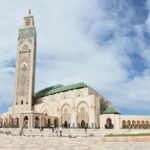
A common shape is Casablanca or Rabat (1 to 2 nights), Chefchaouen (2 nights), Fez (3 nights), Sahara (2 nights), then Marrakech (3 nights), with stops like Volubilis near Meknes along the way. Casablanca is often included for the Hassan II Mosque visit style of landmark-driven day, while Chefchaouen is about wandering blue streets before the day crowds arrive.
The longer arc feels less compressed, and it gives you room for small moments, a slow lunch, a craft studio visit, or a quiet hammam appointment without sacrificing the big highlights.
Luxury pricing in Morocco varies more than people expect. Season, room category, and how private the trip is can swing a quote fast. For 2026, many mid-luxury itineraries (often 9 to 10 days) land around $3,800 to $7,500 per person, while top-tier 10 to 15 day trips commonly sit around $7,000 to $11,000+ per person, especially with high-end camps and premium guides.
Most packages include accommodations, daily breakfast, private ground transport, airport transfers, and guided touring in key cities. Many include some lunches or dinners, but not all. Often extra: tips, drinks, some dinners, spa treatments, upgraded rooms or suites, and flights.
Ask for a day-by-day breakdown, not only a grand total. It’s the easiest way to see if you’re paying for comfort that matters to you, like more nights in fewer places, or just paying for labels.
A useful way to sanity-check quotes is to think in daily rates. Many luxury trips fall around $315 to $630 per person per day, then move higher with ultra-exclusive lodging.
The biggest price drivers are private tour vs small-group, hotel and room category, number of internal flights, desert camp level (especially private bathrooms), and guide quality (language skills, experience, and whether you have a dedicated city guide in places like Fez).
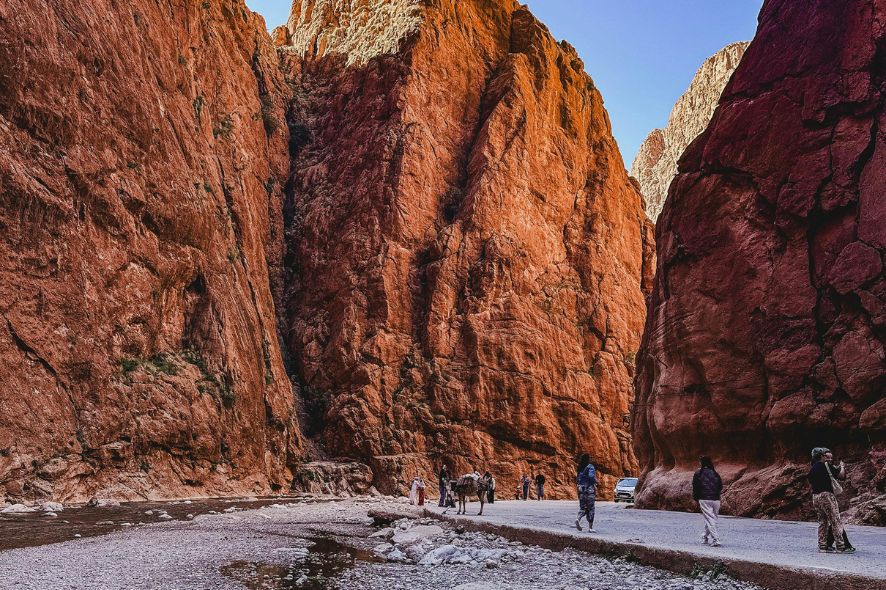
If you want the Sahara without giving up city time, a 3-day route from Marrakech to Fez via Merzouga is a popular luxury upgrade. It’s essentially a moving postcard: High Atlas switchbacks, kasbah landscapes, then dunes that look like folded silk at sunset.
Day 1 usually crosses the Atlas and visits Ait Benhaddou, then overnight near the Dades Valley or Ouarzazate area. Day 2 continues toward Merzouga for a sunset camel ride and a night in a higher-tier camp (real bed, private bathroom if you choose the top level). Day 3 heads north to Fez via desert towns and cedar forests.
This route is drive-heavy, so comfort matters. A private 4×4, frequent stops, and a realistic departure time make it feel special instead of tiring.
The best morocco luxury tour packages don’t just upgrade your hotel, they upgrade your days. Focus on three decisions: the itinerary shape (classic or grand tour), the comfort level you need on long drives, and what’s truly included (guides, entrances, meals, and camp standards). For peak Sahara travel, booking early for spring and fall dates is smart, and it pays to confirm pacing before you commit. If you want a trip that matches your priorities, food, culture, desert calm, or photography, ask for a tailored quote built around your dates and the kind of luxury that actually changes how Morocco feels.