+212 710 029 690
info@deserttourmarrakech.com
TripAdvisor Traveler's Choice
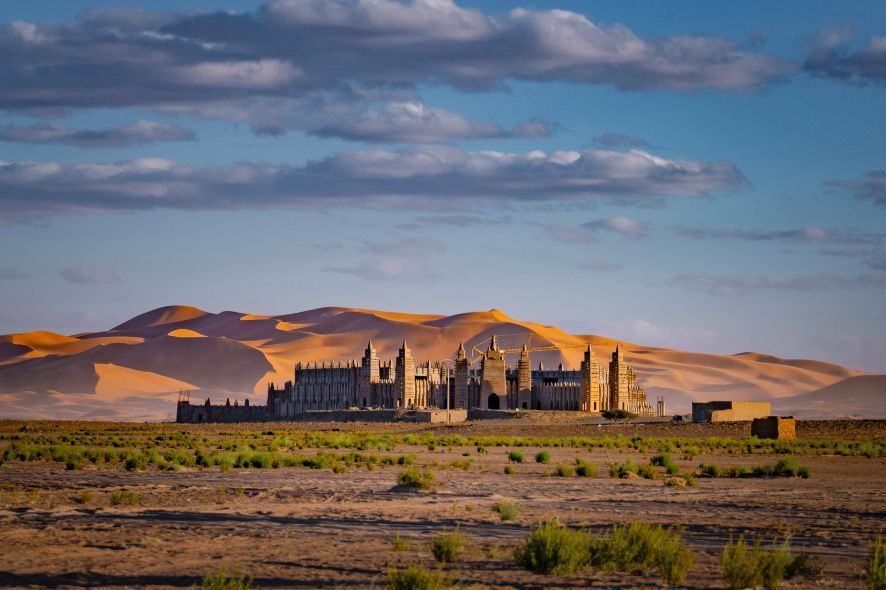
A 2 night desert tour Marrakech sounds simple, but it helps to know what “2 nights” usually means on the ground. Most trips run for 3 days total, with 2 overnights: the first in a valley hotel (often Dades Valley, sometimes near Todgha Gorge), the second in a Sahara desert camp in Merzouga.
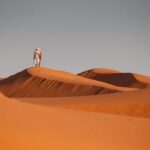
The drives are long and the roads can be winding, especially over the High Atlas Mountains. Still, the payoff is huge: kasbahs, canyon walks, changing colors in the rocks, then the real prize, Merzouga’s Erg Chebbi dunes and a sunset camel ride that feels like stepping into a postcard.
This trip fits first-time Morocco visitors, couples, friends, and families with older kids who can handle early mornings and big travel days.
Most tours pick up early (often 7:00 to 8:30 am) from your hotel or riad in Marrakech. Expect steady driving with scenic stops, plus a few optional add-ons depending on your group’s pace. A typical, well-rounded plan looks like the 2-night Sahara adventure from Marrakech, with one night in a valley and one in the dunes.
You’ll climb into the High Atlas Mountains by mid-morning, crossing the Tizi n’Tichka pass. The best moments come in short bursts, a roadside viewpoint, a village tucked into a slope, a sudden change in light. If you get motion sick, this is the day to sit near the front and keep water handy.
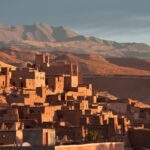
Around midday, many tours stop in Ouarzazate for a quick break (sometimes a film-related stop if your group wants it). After that, the headline stop is Ait Benhaddou, the famous clay kasbah village and UNESCO-listed site. You’ll usually have time to walk up through the old pathways, then grab lunch nearby (lunch is commonly not included).
Late afternoon brings the “Road of a Thousand Kasbahs” feel as the landscape turns redder and more dramatic. You’ll end the day with dinner and an overnight in a hotel or riad in Dades Valley or near Todgha, depending on the route. This first day is long, often 6.5 to 8 hours of driving plus stops, and the mountain roads are curvy.
After breakfast, you’ll usually stop at Todgha Gorge for a short walk. The canyon walls rise high and close, and the air can feel cooler here, even when the day warms up. It’s a good moment to stretch your legs before the scenery shifts again.
As you head east, rocky valleys fade into flatter desert plains. Many itineraries pass through towns like Erfoud and Rissani before reaching Merzouga mid to late afternoon. This is where the trip changes from “road trip” to “Sahara experience.”
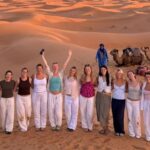
The camel trek to camp is often about 1 to 2 hours, depending on where the tents sit in the dunes. You’ll ride near sunset when the sand turns orange and the shadows get long. If camels aren’t for you, ask in advance, many operators can arrange a 4×4 transfer instead.
Camp night is simple and memorable: tagine dinner, mint tea, drum music by the fire, and stars that look unreal once the lights drop. Camp styles vary a lot. Basic camps may have shared bathrooms and simpler bedding, while luxury camps often offer private bathrooms, hot showers, thicker mattresses, and better sound insulation from the wind. Quad biking on the dunes is common as an optional extra at added cost.
A Marrakech to Merzouga trip can feel like three climates in one: cool mountain air, warm valleys, and a desert that swings between hot sun and cold nights. Pack for comfort, not fashion, and keep your day bag light.
Tour choices matter more than people think. A shared tour saves money but follows a fixed rhythm. A private tour costs more, but you can stop longer at viewpoints, choose lunch spots, and keep the pace calmer. Also confirm the camp type in writing, “standard” and “luxury” can mean different things depending on the operator.
Comfort notes that make a difference: bring motion-sickness help if you need it, don’t assume restrooms are frequent, and expect simple facilities at some stops. Camps may have limited outlets, so power management matters.
For most travelers, March to May and September to November hit the sweet spot: mild days, cool nights, and comfortable walking weather. Summer can be brutally hot in the Sahara, and winter nights can feel freezing even if the daytime sun feels pleasant.
If you want a month-by-month snapshot while planning, this Morocco weather and season guide for 2026 is a helpful reference. Simple rule that works year-round: check sunrise time the night before, and bring layers even if Marrakech feels warm.
Bring a base layer and a warm layer (a fleece or hoodie), plus long pants for the camel ride. Closed-toe shoes beat sandals in sand and gravel.
Other essentials: sunscreen, sunglasses, a hat, and a light scarf for wind and dust. Add a power bank, wipes, and small cash for lunches and tips. Many camps run on generators or limited power, and showers can be basic, even in nicer setups.
In February 2026, realistic pricing for a 2-night, 3-day Marrakech to Merzouga tour often falls into these bands: shared tours with a standard camp commonly land around €300 to €500 per person, while shared tours with a luxury camp tend to sit closer to €500 to €900 per person. Private tours vary widely by group size and comfort level, and can run higher.
What’s usually included: transport with driver, 2 nights of accommodation, dinners and breakfasts, and a camel trek at sunset (often sunrise too). What often isn’t: lunches, drinks, quad biking, and tips.
Common mistakes to avoid:
Prices change by season and camp type, so compare like-for-like. If you want a quick market check before booking, browsing current listings on Merzouga tours and excursions in 2026 helps you spot what’s included (and what’s quietly extra).
A good quote clearly states: hotel name (or valley area), camp category, bathroom setup, pickup details, and whether the camel ride is optional or included.
“Best” usually means the tour matches your comfort level and time limits. Look for recent reviews that mention the driver’s pacing, the cleanliness of the valley hotel, and the exact camp facilities.
To compare different operators and styles in one place, scan Merzouga multi-day tour options or a structured listing like a 3-day, 2-night Merzouga trip overview. Don’t chase the lowest price if the camp details are vague.
A 2-night desert tour from Marrakech is a trade-off: long road time in exchange for massive scenery and a once-in-a-lifetime night in the dunes. Comfort seekers should pay extra for a luxury camp, budget travelers can do a shared tour and still get the classic camel-at-sunset moment. If you truly hate long drives, a closer desert like Zagora may fit better.
Compare itineraries, confirm what’s included, and book early for spring and fall dates when demand climbs fast.