+212 710 029 690
info@deserttourmarrakech.com
TripAdvisor Traveler's Choice
A first trip to Morocco can feel like stepping into a spice jar that’s been shaken, opened, and poured straight into the street. The colors are loud, the scooters are louder, and the medinas can make even confident travelers feel turned around. But it’s also one of the most rewarding places to visit if you give it a little structure.
Most first Morocco tours combine a few big pieces: a headline city (often Marrakech), a deep culture stop (usually Fez), a desert night near Merzouga or Erg Chigaga, and food that keeps surprising you (tagines, grilled sardines, mint tea, fresh orange juice). Add a coastal breather like Essaouira or a mountain day in the Atlas, and you’ve got the classic mix.
For first-timers, spring (March to May) and fall (September to November) are usually the easiest seasons because the weather is mild. Current travel planning guidance for 2026 also points to April and October as especially comfortable months across the country. Ahead, you’ll get a clear plan: how to choose the right tour style, what to pack and prepare, and a few sample itineraries you can copy.
Choosing your tour style is the biggest stress reducer, because it decides how much you have to problem-solve in real time. Morocco rewards curiosity, but it can punish rushed logistics, especially when you’re tired and standing outside a riad wondering which alley is the correct one.
A guided group tour is the easiest “I just want it handled” option. Your transport, lodging, and major sights are set. You trade some freedom for a calmer brain. This is great if you’re nervous about bargaining, language barriers, or getting lost in big medinas. It’s also a good fit if you like meeting people and don’t mind a fixed pace.
A private driver plus local guides is the sweet spot for many first-timers. You get a flexible schedule, help with long drives, and the ability to pause when you want to take photos or linger over lunch. You can add guided walking tours in Fez or Marrakech without being with a group every hour of the day. It costs more, but it can feel worth it when you’re crossing mountain passes and timing a desert arrival.
A DIY trip with day tours can work well if you’re comfortable traveling independently and you want control over your hotels and meals. The catch is that Morocco has friction points: buying train tickets on the fly, negotiating taxis, and dealing with “helpful” strangers who lead you somewhere and then ask for money. You can reduce that by booking reputable day tours for complex days like the desert or the Atlas.
Trip length matters as much as style. For a first Morocco tour, 7 to 10 days usually hits the highlights without turning the trip into a blur of check-ins.
A guided group tour means you wake up, eat breakfast, and follow the plan. Your guide handles timing, tickets, and most conversations. Pros for first-timers include lower mental load, clear pricing, and built-in context. Cons include less freedom and sometimes long days to keep the group on schedule.
A private tour with driver and guides means your day still has structure, but you choose the start time, meal stops, and how long you stay at places. Pros include flexibility, a pace that matches your energy, and more personalized cultural explanations. Cons are higher cost and more decisions, even if your driver helps.
DIY means you plan transport and routes yourself, then add day tours where it makes sense. Pros include full freedom and often lower cost. Cons include more chance of confusion in medinas, more negotiation, and more time spent arranging basics.
Medinas like Fez and Marrakech can be confusing by design. Lanes twist, signs are limited, and GPS can drift. A licensed local guide can reduce stress and help you avoid common scams, especially around tanneries, rug shops, and “shortcut” offers.
Use simple benchmarks:
Plan for long drives. Marrakech to Merzouga is famously far, often broken up with an overnight near Ait Ben Haddou or the Dades Valley. If a tour claims you’ll “do it all” in one sprint, expect a lot of road time and less wandering.
Morocco isn’t huge on a map, but it travels big. Roads cross mountains, detour around valleys, and stretch into open desert. A good first-time route picks a few anchor stops, then uses one or two “breather” places to keep you from burning out.
For most travelers, the strongest first-timer combination is: Marrakech for sensory overload and sightseeing, Fez for deep history and crafts, a Sahara night for the “I can’t believe this is real” moment, then one easygoing stop to recover. If you like the ocean, that recovery stop is usually Essaouira. If you want cool air and hiking, it’s the Atlas Mountains.
If you want inspiration from travelers who’ve tested these routes, compare notes with a detailed 7 to 10-day first-time itinerary and see how others pace the desert segment in an Epic 7-day Morocco plan. Even if you book a tour, these help you spot overly packed schedules.
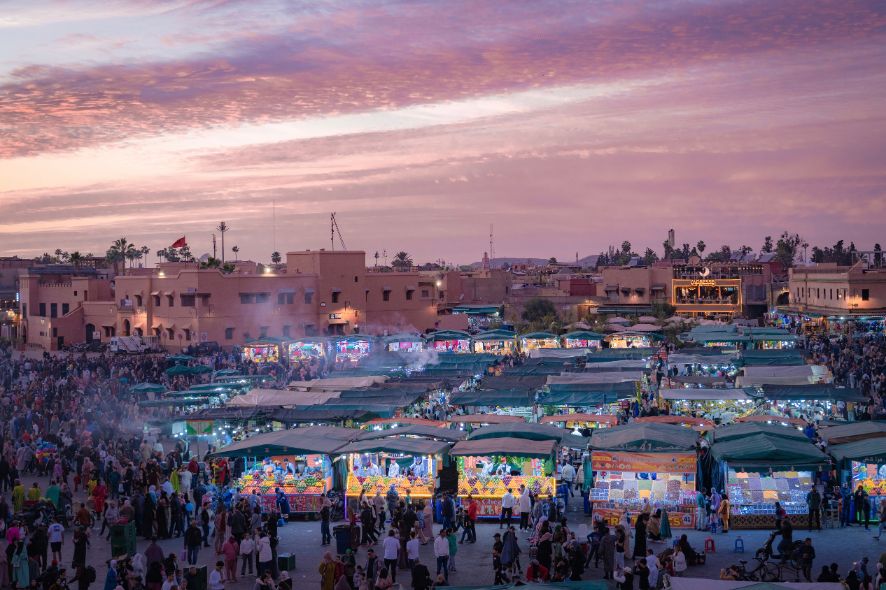
Marrakech: Souks, Jemaa el-Fnaa energy at dusk, and a strong mix of palaces and gardens. It’s intense, but it’s also the easiest launch point for day trips.
Fez: The UNESCO-listed medina feels like a living workshop. Guides are helpful here because lanes are maze-like, and craft areas can be confusing.
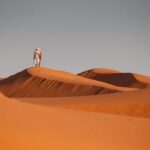
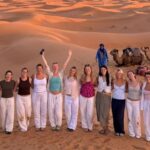
Sahara near Merzouga: Camel trek at sunset, a night in a desert camp, and early-morning dunes. It’s touristy, but still unforgettable.
Essaouira: A calm coastal break with sea air and a walkable medina. It’s where many first-timers finally slow down.
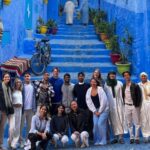
Chefchaouene: Blue-painted streets and an unhurried pace. It’s photo-friendly, but also just pleasant to wander.
Rabat: A relaxed capital with tidy streets and a good “reset” feel between bigger cities.
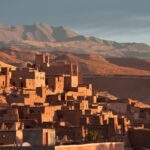
Ait Ben Haddou and Ouarzazate: The fortified village look, plus film history vibes. This stop also breaks up the desert drive.
Atlas Mountains: Cooler air, Berber villages, and a change from city noise. Even one night can change the feel of your trip.
7 days: Marrakech, desert, Essaouira (balanced, popular)
8 days: Casablanca, Rabat, Fez, Marrakech (classic cities)
10 days: Add Chefchaouene and Atlas time (less rushed)
For longer pacing ideas, a self-planned option like this 10-day Morocco itinerary can help you see what’s realistic.
Morocco gets easier when you plan for two things: temperature swings and social intensity. Weather can change fast between coast, cities, mountains, and desert. Street life can feel close-up, especially in souks.
Spring (March to May) and fall (September to November) are usually best for first-timers, with April and October often cited as the most comfortable across regions in 2026 planning. Summer heat can be rough inland, and the desert can feel punishing midday. Winter is workable, but nights get cold.
Staying in a riad is part of the Morocco experience. It also comes with a small learning curve, because many riads are deep in medinas where cars can’t reach. Arrange a pickup or ask the riad for precise walking directions.
Pack for layers, not outfits. Bring a light jacket for cool desert and mountain nights, even in spring or fall. Add sun protection for daytime: hat, sunscreen, and sunglasses. If you’re doing the Sahara, carry water and lip balm, the air can be dry.
Footwear matters more than people expect. Medina streets are uneven, sometimes slick, and you’ll walk a lot. Comfortable closed-toe shoes are a safe bet, plus sandals for riads and warm days. If you’re heading into sand, lightweight shoes that can handle grit help.
Morocco runs on cash in many places. The currency is the Moroccan dirham. Keep small bills for tips, taxis, and market buys. Tipping is common for guides, drivers, and service.
A few simple rules cut down stress:
For bargaining, start lower than your target price, smile, stay polite, and be ready to walk away. The goal isn’t to “win,” it’s to pay a fair price without souring the mood.
First Morocco tours go best when you make three good decisions early: your tour style, a realistic route, and the right season. Choose guided group travel if you want low stress, choose a private driver plus local guides if you want flexibility, or go DIY with a few day tours if you like control. Keep your plan focused on Marrakech, Fez, and the desert, then add one place to rest, often Essaouira. Pick spring or fall if you can, lock in flights, then book transport and key experiences (especially a desert camp) early for March to May and September to November.