+212 710 029 690
info@deserttourmarrakech.com
TripAdvisor Traveler's Choice
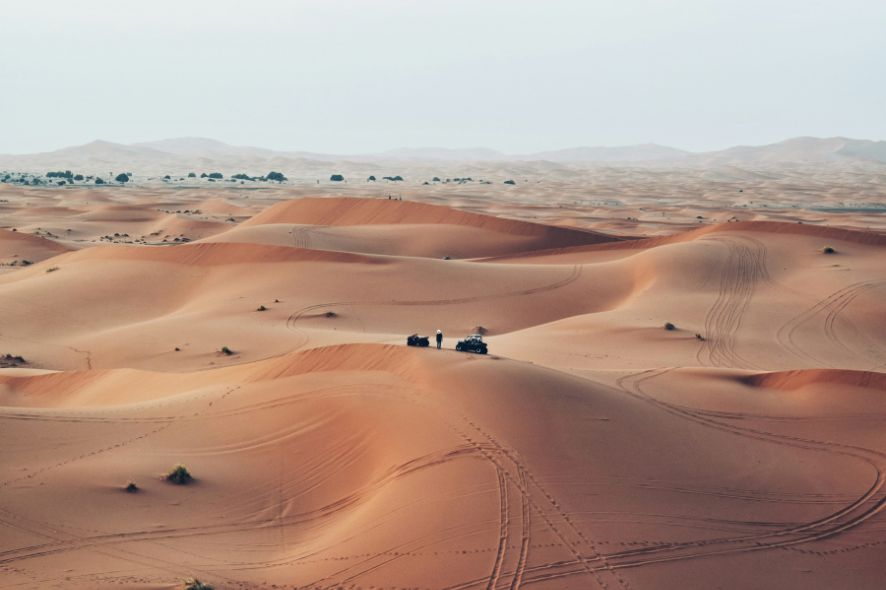
If you’re dreaming about sahara morocco travel, here’s the truth: it takes time to get there, and that’s part of the magic. From Marrakech, you’ll cross mountains, palm valleys, and long open roads before the sand finally starts to glow at the horizon.
February 2026 is a comfortable window for a first desert trip, with mild days and cold nights. You can ride a camel at sunset, eat a warm tagine in a tent, and look up at a sky that feels close enough to touch.
This guide keeps it simple: when to go, how many days you really need, where to base yourself (Merzouga, Erg Chebbi, Erg Chigaga), what to pack, and how to stay safe and respectful.
Morocco’s Sahara isn’t “one weather.” The dunes sit far inland, and desert temperature swings can surprise people who only pack for sunshine. In February, the rhythm is usually crisp mornings, pleasant afternoons, and nights that push you toward the campfire.
In Merzouga (a common gateway for Erg Chebbi), February days often sit around 67°F (19°C), with nights near 49°F (9°C). Skies tend to stay clear and dry, which is why winter is popular for stargazing. Wind can pick up too, so the air may feel cooler on exposed dunes.
Time matters as much as temperature. Many travelers try to squeeze the Sahara into a “quick add-on,” then realize the driving days are the whole bookends of the story. If you plan for that reality, the trip feels smooth instead of rushed.
For a broader season-by-season view beyond the desert, this Morocco seasonal travel guide is a helpful reference.
For most people, October to April is the comfort zone for the Sahara. Days are cooler, you can move more, and sleeping in a tent is actually restful.
February often hits a nice balance: daytime warmth without the heavy heat, clearer night skies, and fewer crowds than peak spring. It’s also easier to enjoy active add-ons like sandboarding or longer walks across the dunes without feeling drained.
Two quick cautions:
If you like planning around climate, this overview of Morocco’s best travel times gives a practical big-picture frame.
From Marrakech to the dunes, expect a long road day, often 9 to 10 hours total with stops. It’s not a single straight shot. You’ll break it up with viewpoints, lunch, and short visits, and you’ll likely arrive to the desert area near evening.
That’s why the 3-day tour (2 nights) is so common: Day 1 gets you across the Atlas and into the south, Day 2 brings the dunes and the camp night, Day 3 returns to Marrakech. It’s busy, but it works.
Use this quick check to choose a pace:
If you’re the type who hates feeling “on the clock,” adding even one extra night can change the whole mood.
Most first-timers picture tall, clean dunes, a camel silhouette at sunset, and a quiet camp under stars. You can get that in more than one place, but the feel changes depending on where you go and how you get there.
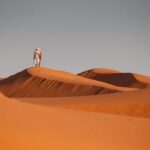
Merzouga is the name you’ll see most. It’s a town at the desert’s edge, set up for visitors. Erg Chebbi is the dune field nearby, known for dramatic sand hills and classic overnight camps.
Erg Chigaga is different. It’s more remote, with a wilder edge and fewer built-up access points. It can feel like the desert goes on longer before it meets anything else.
The best choice isn’t about bragging rights. It’s about what you want at night: a social camp with drumming and easy comfort, or deeper quiet where the silence has space to stretch.
For extra background on Merzouga logistics and what the gateway town is like, this Merzouga travel guide lays it out in plain terms.
Erg Chebbi delivers the postcard moments. You’ll often ride out on a sunset camel trek, watching the dunes shift from gold to orange to soft gray. Once you’re at camp, the night usually turns simple and cozy: hot dinner, mint tea, and music around the fire.
Common highlights feel timeless because they’re hands-on:
Camps range from basic to luxury. Many include dinner, breakfast, and thick blankets. Some have private bathrooms and hot showers, others keep it more traditional with shared facilities.
In February, the big thing is temperature. You can be comfortable in a T-shirt mid-afternoon, then grateful for a warm layer after dark. Think of it like the ocean in spring: sunny on the surface, chilly when the sun drops.
Erg Chigaga tends to take more work to reach. Access often involves 4×4 driving over rougher tracks, plus longer travel days. The reward is a desert that feels less organized and more open.
A simple way to weigh it:
If you enjoy hiking, longer Sahara routes also exist, including multi-day walking trips (often 6 to 9 days) with simple camps and daily miles on foot. That’s a different kind of desert experience, more slow-breathing than snapshot.
For a wider adventure-focused look at what desert travel can include, this Sahara Desert Morocco guide offers useful context.
The desert is simple, but it’s not forgiving of the wrong gear. Sand gets everywhere, nights get cold, and the sun can still bite in winter. Packing well means you stop thinking about your stuff and start paying attention to the quiet.
Safety is mostly about good choices: reputable operators, clear communication, and respecting local knowledge. Morocco’s Sahara is generally safe when you travel with experienced guides and keep basic awareness.
Respect matters too, especially as you pass through small towns and rural communities on the way south. A desert trip is never just dunes. It’s also the people who live along the road that brings you there.
Bring light layers, then add warmth for night. In February, you’ll feel the difference after sunset.
Common mistakes: packing too many heavy jeans (slow to dry, not flexible), wearing open sandals in the dunes, and drinking less water because it “doesn’t feel hot.”
Stay with your group, especially near dunes at night when landmarks disappear fast. Listen to your guide about timing, wind, and the safest paths on soft sand. Walk down dunes with steady steps, and don’t run if you can’t see what’s on the other side.
Weather is usually stable in February, but if rain is forecast, let your driver make the call on routes. It’s smarter to arrive later than to force a track that turns muddy.
In towns and villages, dress modestly, ask before taking close-up photos of people, and keep trash secured so wind doesn’t carry it. If service is good, tip fairly. It’s a small gesture that matches the hospitality you’ll likely receive.
The best desert trips don’t try to “fill” every hour. Leave some space for tea, conversation, and the simple act of watching light move across sand. If you’re comparing operators, look for clear inclusions (meals, camp type, transport), realistic drive times, and honest notes about winter nights. A good plan feels calm before you even arrive.
The best sahara morocco travel plans come down to three choices: your season, your dunes, and your pace. February 2026 is a strong pick for mild days and clear skies, as long as you prepare for cold nights. Decide between the classic ease of Merzouga and Erg Chebbi, or the quieter pull of Erg Chigaga, then give yourself enough days to enjoy the road instead of racing it.
Pack layers, protect your eyes and skin, wear good shoes, and let the desert slow you down. Sunrise on the dunes has a way of making everything else feel far away.